Government Grants for Land Clearing Professionals: What You Need to Know in 2026
How independent contractors can tap into federal and state funding and win more work because of it.
Most land clearing contractors think grants are for nonprofits and big corporations. The truth? There's real money on the table from federal and state programs that fund exactly the kind of work you do every day: fuel reduction, vegetation management, forest thinning, and hazardous material removal. Knowing where to look (and how to position your business to benefit) can open up new revenue streams and help you land larger, more consistent contracts.
Here's a practical rundown of the top programs worth knowing in 2026.
Why the Government Is Paying for Land Clearing Right Now
Wildfire seasons are getting longer and more destructive. Millions of acres of overgrown, high-risk forestland sit adjacent to homes, farms, and infrastructure, and federal and state governments are under enormous pressure to reduce that risk. The result is a wave of funding flowing through USDA, FEMA, and state forestry agencies, most of it earmarked for the exact services land clearing contractors provide.
This isn't charity. It's procurement. Government agencies need licensed, capable contractors to do the work. Understanding the grant landscape helps you position your business to be the one they call.
Top Federal Programs to Know
USDA Community Wildfire Defense Grant (CWDG)
The Community Wildfire Defense Grant program, administered by the USDA Forest Service, is one of the largest wildfire mitigation funding sources in the country, with $1 billion authorized over five years (FY 2022–2026). Grants go to communities and local governments, not directly to contractors. However, these awards fund project implementation, which means grant recipients hire out the actual clearing work.
What this means for you: Get on your county or municipality's radar before they receive a grant. Build relationships with local government offices, tribal councils, and fire districts. When they get funded, you want to be the first call.
Awards can reach up to $10 million per project. A 25% non-federal match is typically required, though waivers are available for underserved communities.
USDA Environmental Quality Incentives Program (EQIP)
EQIP is administered by the USDA Natural Resources Conservation Service (NRCS) and provides cost-share payments to agricultural and forest landowners who implement conservation practices, including vegetation management and land clearing. Cost-share rates cover up to 50% of practice costs, and up to 90% for historically underserved producers.
What this means for you: Landowners enrolled in EQIP have money allocated specifically to hire contractors for eligible clearing work. Marketing directly to farmers, ranchers, and private forest landowners in your area (and educating them about EQIP) can be a powerful way to generate jobs. NRCS service centers often maintain lists of contractors familiar with program requirements.
The FY 2026 national application deadline is January 15, 2026, though state-specific deadlines vary.
USDA Conservation Stewardship Program (CSP)
CSP is a companion to EQIP that rewards landowners for taking their conservation practices to the next level. With $1.5 billion allocated for FY 2026 through the Inflation Reduction Act, there's substantial funding moving through this program. Like EQIP, landowners use CSP payments to hire contractors for eligible practices, including forest management and land stewardship work.
FEMA Hazard Mitigation Assistance (HMA) Grants
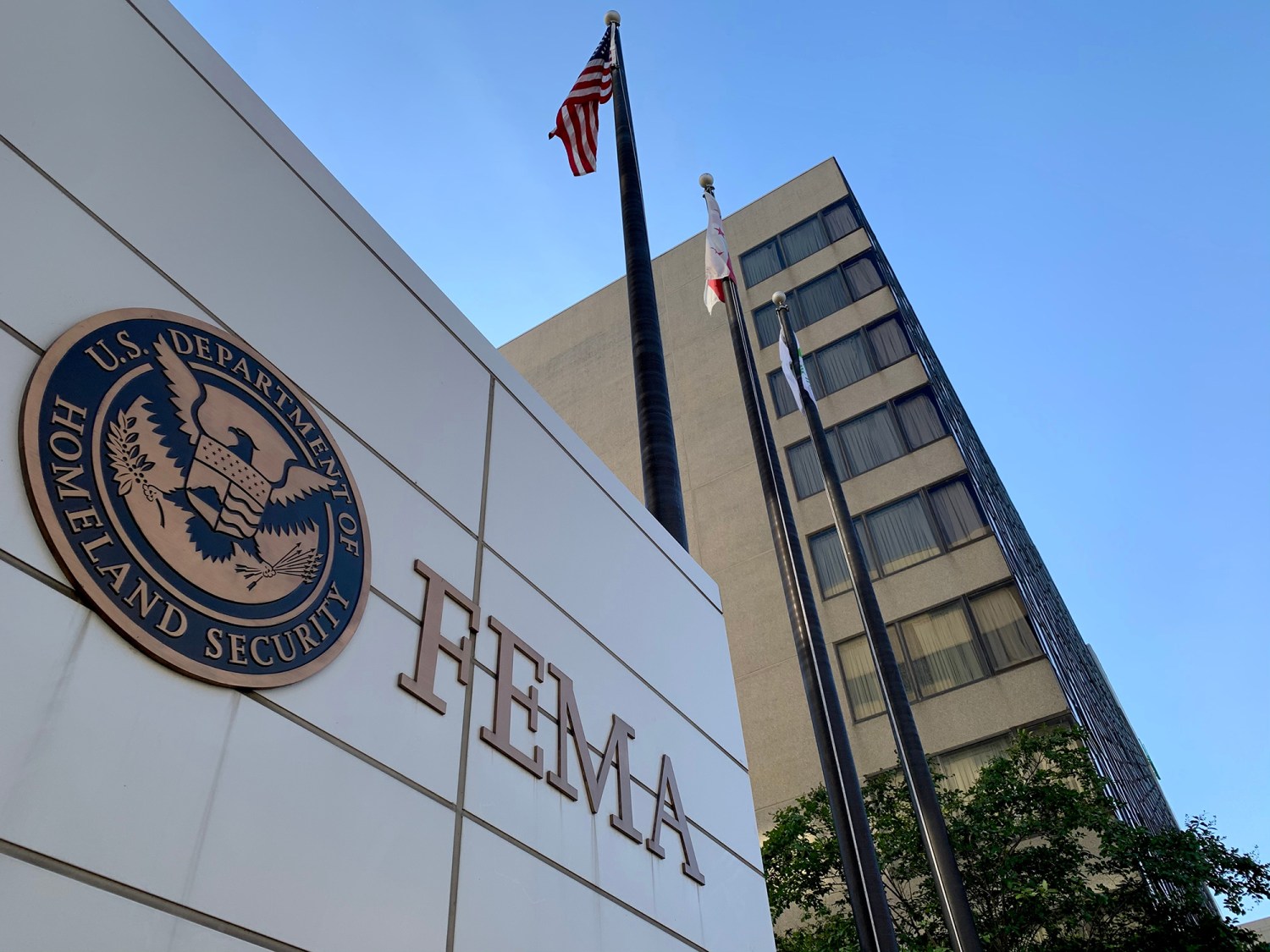
FEMA's Hazard Mitigation Grant Program and related programs fund activities that reduce long-term disaster risk, including vegetation management and defensible space creation. These grants flow through state emergency management agencies to local governments and are particularly active in wildfire-prone regions.
Keep an eye on your state's emergency management agency for open solicitations, especially following major disaster declarations in your area.
State-Level Opportunities Worth Tracking
State programs vary widely, but a few stand out for contractors working in high-risk regions:
California (CAL FIRE): CAL FIRE administers over $135 million in wildfire prevention grants annually, with a significant portion going toward vegetation clearance, fuel breaks, and ladder fuel removal. If you operate in California, registering as a qualified contractor with CAL FIRE-funded programs is worth the effort. The FY 2025–26 grant cycle had an August 2025 deadline, so watch for the next cycle.
Arizona (Department of Forestry and Fire Management): Arizona offers Hazardous Forest Fuels Mitigation Grants and Community Forestry Grants. Contact the Arizona DFFM directly to understand contractor qualification requirements.
Texas: The State Fire Assistance for Mitigation (SFAM) program and the Plains Prescribed Fire Grant Program both fund clearing and mitigation work. The Texas Wildfire Risk Assessment Portal (texaswildfirerisk.com) is a useful starting point.
Oregon and New Mexico also run active grant programs through their respective forestry departments. Worth a direct inquiry if you operate in those states.
How to Position Your Business to Win Grant-Funded Work
Knowing the grants exist is only half the equation. Here's how to make sure your business is set up to capture this work:
1. Get on government contractor lists. Many agencies maintain pre-approved vendor lists. Register with SAM.gov (the federal System for Award Management) and check your state's procurement portal. Being registered matters when a funded agency is ready to hire.
2. Build relationships before the money arrives. Attend county commission meetings, connect with local fire districts, and introduce yourself to NRCS service center staff. Grant recipients often hire contractors they already know.
3. Learn the language. Proposals and conversations go better when you can speak to "fuel load reduction," "ladder fuel removal," "defensible space," and "home ignition zone mitigation." These are the terms agencies use when they're spending grant dollars.
4. Document your work. Before-and-after photos, acreage cleared, and species removed are the kind of data grant recipients need to report back to funding agencies. Being the contractor who makes their paperwork easy makes you the contractor they call again.
The Bottom Line
Government grants for wildfire mitigation and conservation are funding real work across the country, and that work requires licensed, experienced land clearing contractors. The window to position your business is now, before the next round of funding gets allocated.
Start with SAM.gov to get federally registered, connect with your local NRCS service center, and reach out to your county emergency management or forestry office. The contractors who do that groundwork now are the ones getting the calls when the money lands.